"How to lose weight fast" is one of the most searched health questions online. It is natural to want quick results, but the fastest plans are rarely the ones that last. Here are nine habits that support steady weight loss, and why a slower pace often works better.
1. Aim for a steady pace
The CDC says people who lose weight gradually, about 1 to 2 pounds a week, are more likely to keep it off than people who lose weight quicker. Crash diets may show quick changes on the scale, but they are hard to keep up.
2. Make a specific plan
A clear plan helps more than a vague goal. Decide what you will eat, when you will move, and how you will track progress. Write it down and adjust it every few weeks.
3. Eat more whole foods
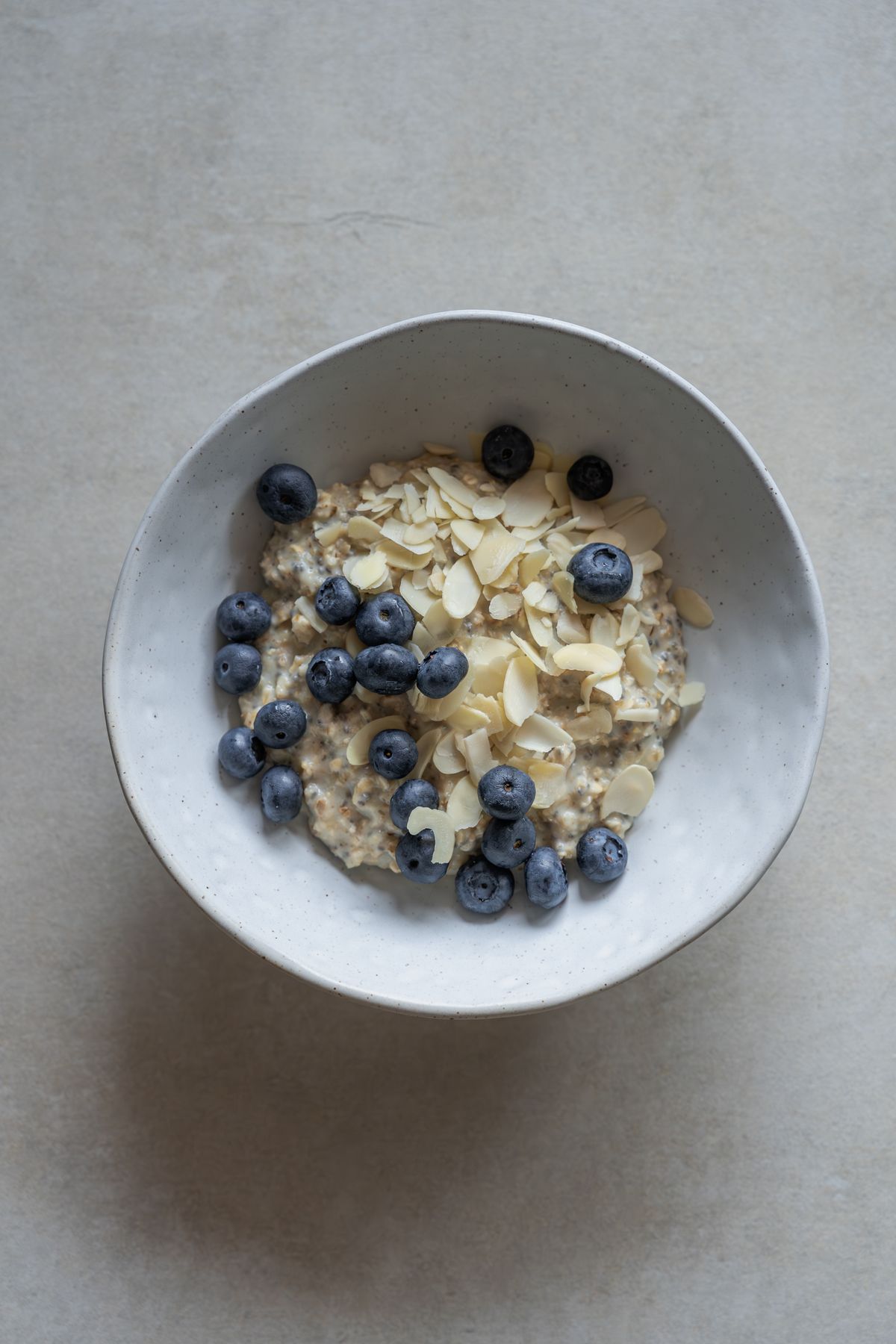
Build meals around vegetables, fruit, lean protein, beans, and whole grains. These foods tend to fill you up for fewer calories than highly processed snacks.

4. Watch portions and liquid calories
Large portions and sugary drinks add up quickly. Using a smaller plate and drinking water instead of sweet drinks are simple swaps.
5. Move more every day
Regular physical activity supports weight loss and helps you keep it off. Walking is a great place to start. Build up gradually and choose activities you enjoy.
6. Eat slowly and pay attention
Eating slowly, without a screen, helps you notice when you are full. Plan snacks in advance so you are not grabbing whatever is nearby.
7. Protect your sleep
The CDC lists enough sleep and stress management as part of a healthy lifestyle for weight. Keep a regular bedtime and wind down without screens.
8. Track your progress
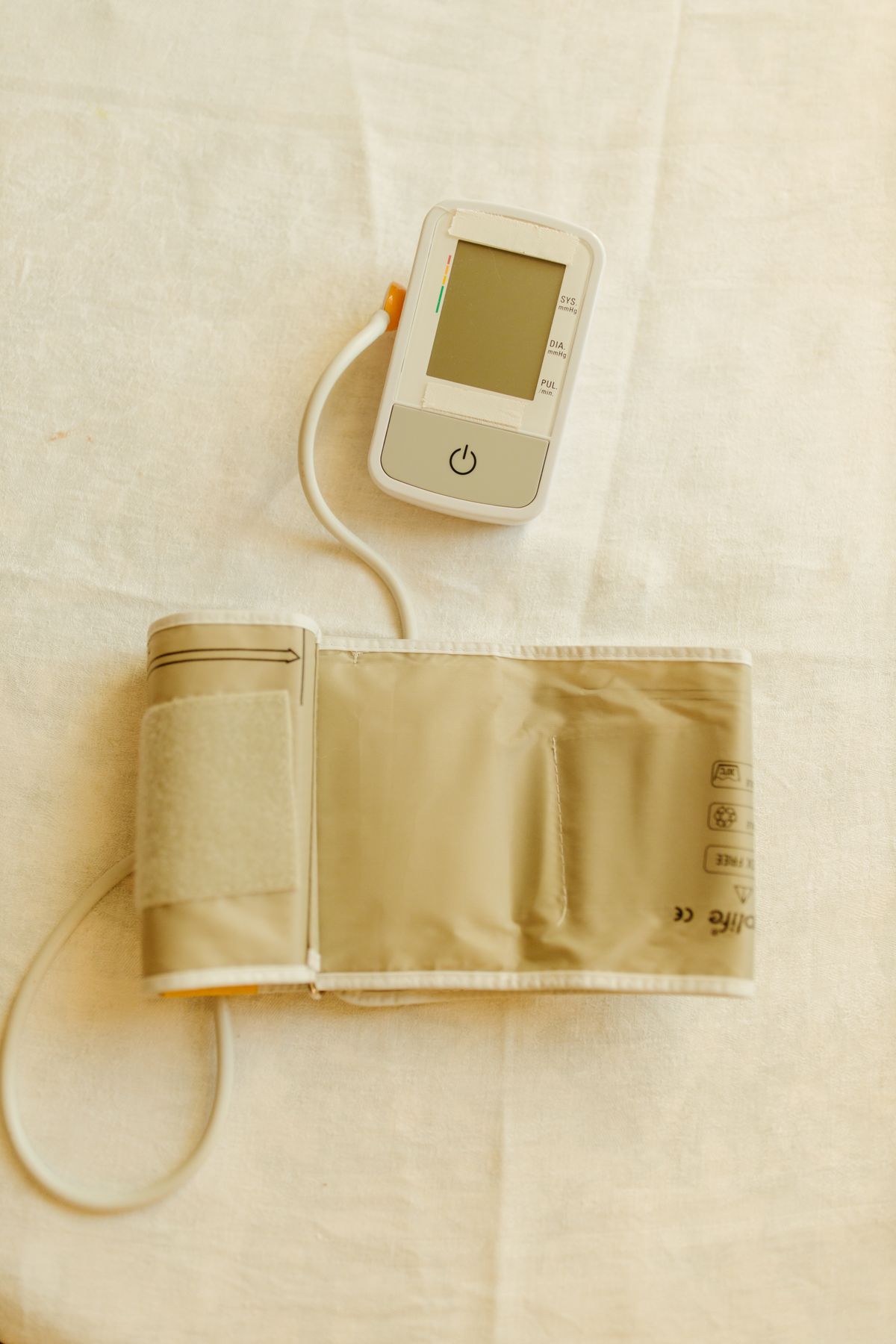
Keeping a simple log of meals, movement, and weight can help you spot patterns. Look at the trend over weeks, not the number on a single day.
9. Plan for the long term
People who keep weight off tend to continue healthy eating patterns, stay consistent through weekends and holidays, and plan ahead for special occasions.
Quick FAQ
Is it safe to lose weight very fast?
Very rapid weight loss can be hard to sustain and may not be safe for everyone. Talk to your doctor before starting an aggressive plan.
Do I need to count calories?
Not everyone does. Some people find it helpful, others prefer to focus on food quality and portions.
When should I see a doctor?
Before major diet changes, if you have a medical condition or take medication, or if weight changes happen without a clear reason.
Final thoughts
The best plan is one you can follow for months, not days. Focus on food, movement, sleep, and consistency. This article is general information, not medical advice.