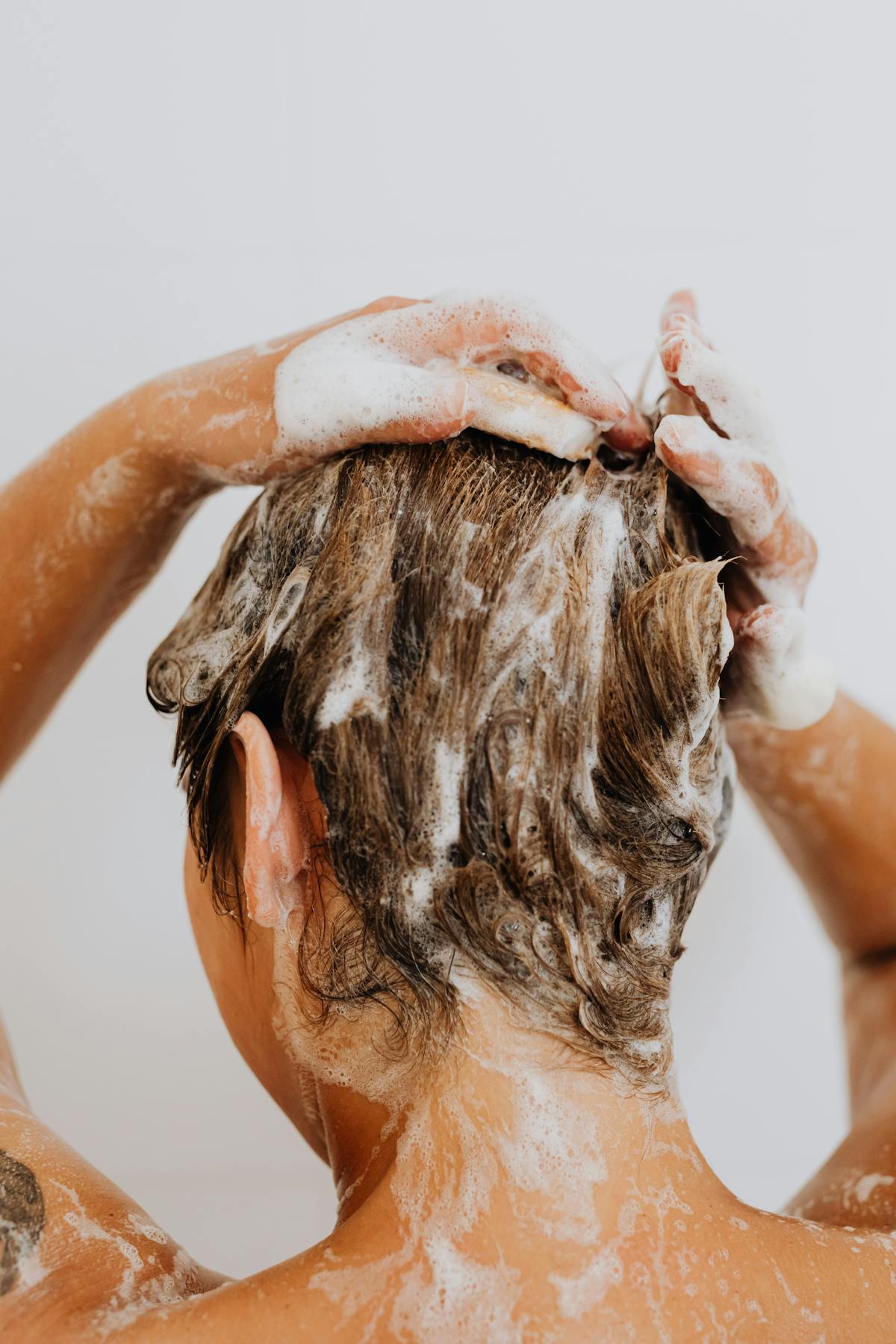
Dandruff is common, harmless, and annoying. Small flakes of dry skin fall from your scalp and show up on your shoulders, especially if you wear dark clothes. The good news is that mild dandruff can usually be treated at home. Here are eight simple steps, based on advice from dermatologists and health sites.
1. Wash your hair regularly
Washing more often with a gentle shampoo helps remove extra oil and dead skin from the scalp. For mild dandruff, this may be all you need.
2. Try a medicated dandruff shampoo
If regular washing does not help, use an over-the-counter dandruff shampoo. Active ingredients vary between products, so you may need to try more than one. Follow the directions on the label.
3. Leave the shampoo on for the time listed
Many medicated shampoos work best when you massage them into the scalp and leave them on for a few minutes before rinsing. Check the bottle for exact instructions.

4. Do not overuse it
Some people can use a dandruff shampoo two or three times a week. If you have curly, coiled, or textured hair, you may want to use it less often. Ask a dermatologist what suits your hair type.
5. Be gentle with your scalp
Scratching can irritate the skin and make flaking worse. Massage the shampoo in with your fingertips, not your nails.
6. Watch styling products
Heavy gels, sprays, and oils can build up on the scalp. Rinse well and consider using fewer products if your scalp feels irritated.
7. Stop if your scalp reacts
If a shampoo causes itching, burning, or stinging, stop using it. An allergic reaction needs medical attention.
8. See a doctor if it does not improve
See a doctor or dermatologist if dandruff is severe, does not improve with treatment, or your scalp is red, swollen, or very itchy. Other skin conditions can look like dandruff.
Quick FAQ
Is dandruff contagious?
No. It is not caused by poor hygiene and cannot be passed to others.
Does washing my hair too much cause dandruff?
Regular washing usually helps. If your scalp feels dry or irritated, adjust how often you wash.
How long does treatment take?
It varies. Give a new shampoo a few weeks, and check in with a doctor if there is no change.
Final thoughts
Wash regularly, try a medicated shampoo, be gentle, and get help if it does not clear. This article is general information, not medical advice.